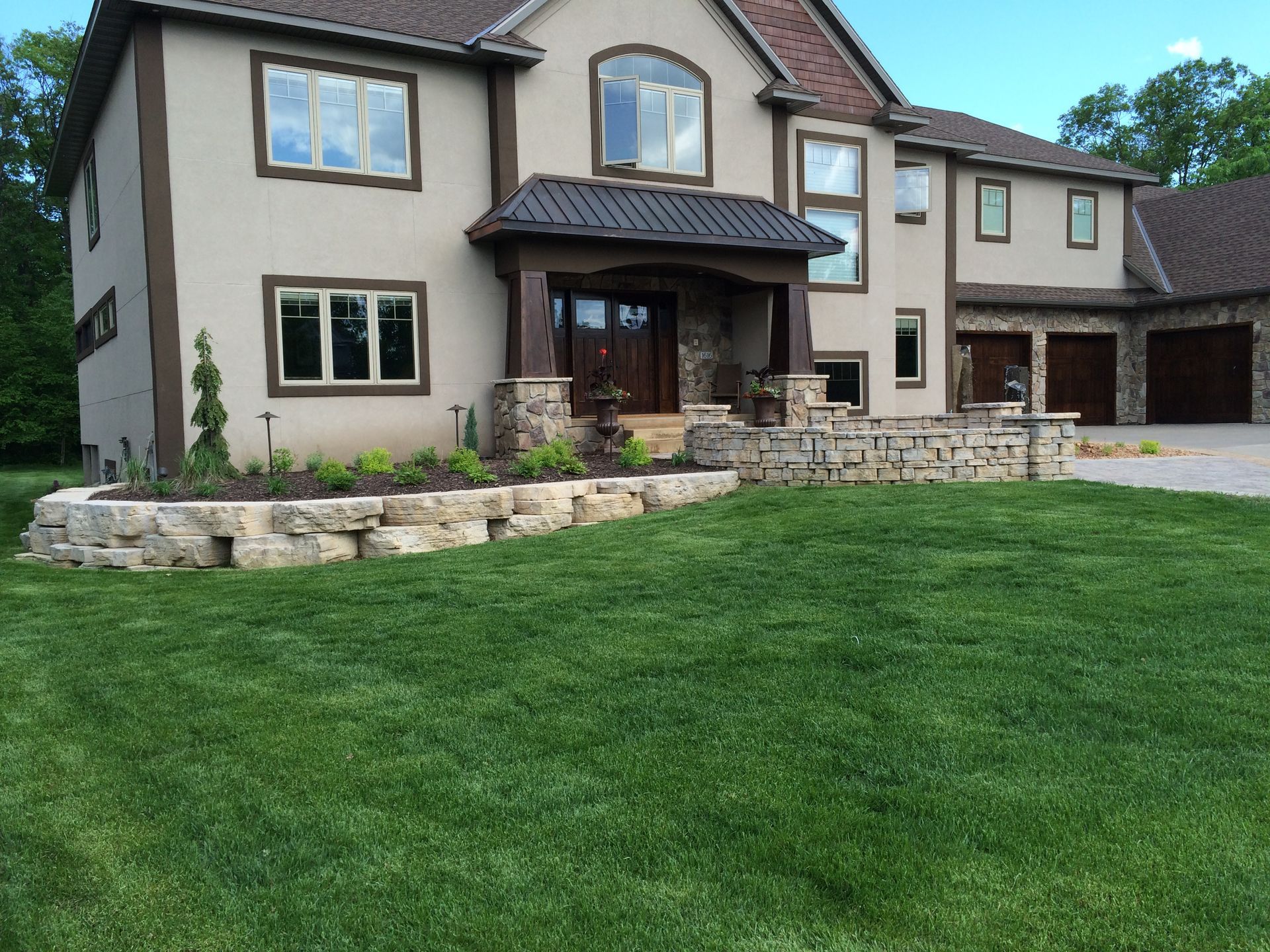
Repairing High Traffic Lawn Damage Before Halloween Trick or Treaters
Land Concepts Inc. • September 22, 2026
Autumn foot traffic quickly turns a slightly thin front lawn into a hard packed mud pit. When dozens of neighbors walk across the same grass in late October, weak turf simply gives up and dies. The fertilizing and weed control specialists at Land Concepts, Inc. see the aftermath of heavy neighborhood events every fall. Throwing down a handful of grass seed two days before a gathering will not protect your soil.
Repairing physical damage requires addressing the compaction happening below the surface. Heavy footsteps press the dirt down, squeezing the oxygen out of the root zone and making the ground rock hard. You have to physically open the soil back up so new roots can anchor firmly. We lay out exactly what it takes to repair trampled grass and build resilience before the heavy foot traffic arrives.
What to Expect:
- The Physical Cost of Constant Footsteps
- Reality Check on Quick Fix Seed Patches
- How Aeration Rebuilds the Foundation
- Setting Realistic Timelines for Thick Turf
- Frequently Asked Questions
- Protect Your Lawn Now
The Physical Cost of Constant Footsteps
Grass plants are surprisingly resilient to occasional walking, but concentrated traffic paths crush the cellular structure of the blades. In places like Avon, MN, autumn soil holds moisture that turns easily to mud under heavy boots. Once the top layer of grass is sheared off, the exposed dirt compacts tight like pavement.
This compaction stops water from soaking into the ground, creating slippery puddles instead. We track how water runs off these hard spots to identify where the soil needs deep physical intervention. Addressing the hard dirt is the only way to stop the mud from spreading wider.
→ From a professional standpoint: Trampled grass is just a symptom of the severe soil compaction happening underneath.
Reality Check on Quick Fix Seed Patches
Many homeowners overestimate the power of bagged patch and repair products sold at hardware stores. Spreading seed over hard dirt in late October rarely results in meaningful grass growth. The seeds might sprout, but they lack the loose soil depth needed to anchor their roots against incoming foot traffic.
Expecting a quick sprinkle of seed to survive hundreds of trick or treaters is unrealistic. Those shallow roots will simply tear right out of the ground the moment someone steps on them. True recovery requires opening up the ground so the seeds fall deep below the impact zone.
→ A quick tip to remember: Seeds sitting on top of hard dirt will wash away or die under heavy boots.
How Aeration Rebuilds the Foundation
Professional core aeration pulls physical plugs of dirt out of your yard to relieve the ground tension. This mechanical process creates hundreds of tiny protected pockets where new grass seed can safely germinate. Because the seed falls down into the holes, passing foot traffic steps over them rather than crushing them.
This approach allows us to blend new durable grass varieties into your existing turf. Proper mowing practices combined with aeration ensure the new plants get sunlight while remaining protected from immediate crushing. It is a structural fix rather than a cosmetic band aid.
→ From a professional standpoint: Core aeration acts like a shock absorber for your lawn by physically loosening tight dirt.
Setting Realistic Timelines for Thick Turf
You cannot rush biological growth no matter how much fertilizer you apply. Overseeding takes a minimum of three to four weeks of consistent moisture to establish a root system capable of handling traffic. If you wait until the week before Halloween to start repairs, the grass will not survive the event.
We tell our clients to start the repair process in early fall while the ground is still warm. This gives the new plants time to mature and harden off before the heavy foot traffic begins. Planning ahead is the difference between a resilient yard and a muddy mess.
Frequently Asked Questions
Can heavy foot traffic kill grass?
Repeated heavy walking crushes the crown of the grass plant and prevents it from photosynthesizing. The downward pressure also compacts the soil, cutting off the oxygen supply that the roots need to survive. Once the roots suffocate, the plant dies and leaves a bare dirt patch behind.
How do you repair trampled lawn patches?
You must break up the hardened dirt before introducing new seed to the area. Core aeration pulls plugs of dirt out to fracture the surface tension and provide a safe pocket for the seeds. Following up with targeted fertilization helps the new grass push roots deep into the loosened ground.
Is it too late to overseed a lawn in October?
Late October is generally too late to expect new grass seed to establish itself before the ground freezes hard. Soil temperatures drop rapidly in the fall, which halts the germination process of most turf types. Overseeding is most successful when completed in late August or September while the days are still warm.
Protect Your Lawn Now
Waiting until the damage is done means you will be looking at bare dirt all winter long. Deep aeration and proper timing give your grass the strength to handle heavy neighborhood foot traffic. Contact our crew today to schedule your fall lawn repair before the busy season hits.
Share This Blog